
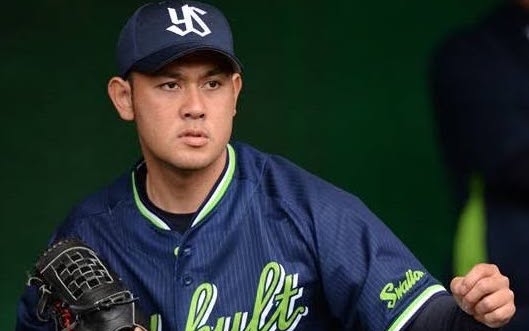
Kyuko Kentaro’s baseball career was spectacular, built on his natural talent, without sacrificing much of his childhood. He began his professional career with the Tokyo Yakult Swallows, one of the most prominent Japanese baseball teams. Starting in his first year in 2011, he recorded 21 straight scoreless games against the Hanshin Tigers over two months, marking the longest streak by a rookie in the Central League at the time. In 2015, he played a pivotal role in helping his team win the league for the first time in 14 years, appearing in 38 games as a valuable left-handed sidearm relief pitcher.
But as many baseball players eventually experience, in 2018, Kyuko was notified that his contract would not be renewed by his team. That was when he first began thinking about his next career. Then, he often found himself struggling with job applications.
Despite his glorious record in Japanese baseball history, those experiences were difficult to translate into his resume or job applications. In every interview, he was asked for a thorough explanation of how his baseball accomplishments could be applied in business settings.
“It was difficult because it was rare for retired baseball players to get corporate jobs. I had to find a mentor myself to guide me through that special process. Nippon Professional Baseball (NPB) provided a job agent for support, but at the end of the day, it’s the company’s decision whether to hire you or not.”
In Japan, systemic support for athletes’ next careers remains insufficient. Only 35.5% of the Japan Top League Alliance and Olympic and Paralympic sports organizations provided next-career support for athletes, according to the Japan Sports Agency’s survey in 2020. Baseball is no different, according to Kyuko.
Athletes also have very limited time to explore careers beyond their sport due to their busy training from such a young age. On a typical day during the season with the Yakult Swallows, Kyuko would spend 12 hours combined on the field and in training.
But athletic careers can end suddenly and early, while life afterward is much longer. According to NPB in 2024, the average career length of a professional baseball player is around six to nine years, with retirement coming at age 28 to 29.
A lack of financial literacy and money management adds another layer to the issue.
“Though professional baseball is a lucrative career, I witnessed many athletes leave their careers without much financial freedom because of investing without the right knowledge and bad spending habits,” he said. “Without financial freedom, you have to take any job that is available to you. You don’t have a choice anymore.”
In Japan, players joining prominent teams usually receive signing bonuses ranging from 30 million yen to 100 million yen, and their annual base salaries and contract renewals are determined by their performance in the previous season. The average annual base salary in NPB is around 50 million yen, with bonuses added based on performance.
As for Kyuko, he didn’t have major financial limitations after retiring, but he wasn’t sure what he wanted to pursue at first.
He decided to go into consulting. “In consulting, you get to experience a diversity of industries, clients, and business models. It’s definitely not an easy profession, but it allows you to see the world from the perspectives of others,” he said. It also gave him time to explore new interests, making up for the opportunities he hadn’t had while focusing on baseball.
In 2019, he joined Deloitte Consulting as a mid-career hire. He joined the marketing division and focused on creating strategies to improve client and customer relations. “It was a time when I had to learn a lot, and expectations of me were different from those of other new hires. People expected me to be able to get my job done since day one, unlike new hires out of college, who get months of training,” he added.
“Although I was now playing on a different field, what I learned from baseball helped me make sense of the business world in my own way.”
To Kyuko, taking meeting minutes was like basic training, like playing catch. Client proposals were like the beginning of a new high-pressure game. Each step in the consulting work cycle made sense to Kyuko as he reflected on his experience in baseball.
And the self-learning skills he developed through baseball also helped him get through challenging times in consulting.
Starting in first grade, Kyuko joined small league teams. In middle school and high school, he joined teams that were not very strong but were fun. He practiced with his team twice a week, and on the other days, his dad often told him to practice by himself. Those were the days when he had to think about what training to do on his own. He would run for 30 to 40 minutes, covering 5 km, and do some batting practice for an hour.
Nothing very intense, but the habit of self-learning stuck with him.
Throughout his years in consulting, Kyuko recognized that many of his skills from sports translated to the corporate world. Only after leaving baseball and stepping into a new world did he gain invaluable skills in consulting and realize the many systemic issues that exist in professional baseball.
“In baseball, there’s no such thing as the labor protections you see at big corporations. That’s just how professional baseball is, and people get burned out,” he said. “But I want to contribute to where I came from,” he added.
“Education is another topic that needs to be talked about more,” he said. Kyuko believes athletes should be actively taught early on, through support systems, financial management, the short career span of professional baseball, and how to prepare for life after the game.
His own transition may have been successful, but it also showed how much of that path athletes are still expected to figure out on their own.
久古健太郎の野球人生は、生まれ持った才能を土台にしながら、子ども時代の多くを犠牲にすることなく築き上げられた、華々しいものであった。彼は日本球界を代表する球団の一つである東京ヤクルトスワローズでプロとしてのキャリアを始めた。1年目の2011年には、阪神タイガース戦で2カ月にわたり21試合連続無失点を記録し、当時のセ・リーグにおける新人最長記録となった。2015年には、貴重な左のサイドスローの中継ぎ投手として38試合に登板し、チームの14年ぶりのリーグ優勝に大きく貢献した。
しかし、多くの野球選手がいずれ経験するように、2018年、久古は球団から契約を更新しない旨を伝えられた。そのとき初めて、自身の次のキャリアについて考え始めた。その後、就職活動で苦戦することが少なくなかった。
日本の野球界で輝かしい実績を残していても、そうした経験を履歴書や応募書類の中でどう表現するかは難しかった。面接では毎回、野球での実績がどのようにビジネスの場で生かせるのかを詳しく説明するよう求められた。
「引退した野球選手が一般企業に入ること自体が珍しかったので、大変だった。自分でメンターを見つけて、その特別なプロセスをアドバイスしてもらう必要があった。日本プロ野球機構(NPB)も就職支援のためのエージェントを用意していたが、最終的に採用するかどうかを決めるのは企業側である」
日本では、アスリートのセカンドキャリアに対する制度的支援はなお不十分である。スポーツ庁が2020年に行った調査によれば、アスリートの次のキャリア支援を実施していたのは、日本トップリーグ連携機構やオリンピック・パラリンピック競技団体のうち35.5%にとどまった。久古によれば、野球も例外ではない。
アスリートはまた、幼い頃から競技と練習に多くの時間を費やすため、競技以外の進路を考える時間が極めて限られている。ヤクルトでプレーしていた当時、シーズン中の典型的な一日では、久古はグラウンドと練習を合わせて12時間を費やしていたという。
しかし、アスリートとしてのキャリアは突然、しかも早い段階で終わることがある。その後の人生のほうがはるかに長い。2024年のNPBによれば、プロ野球選手の平均現役年数はおよそ6年から9年で、平均引退年齢は28歳から29歳である。
この問題には、金融リテラシーや資産管理の不足も重なっている。
「プロ野球は収入の高い職業ではあるが、正しい知識のないまま投資をしたり、浪費癖があったりして、十分な経済的自由を持たないまま引退していく選手を多く見てきた。経済的自由がなければ、そのとき手に入る仕事を選ぶしかなくなる。もう選択肢がなくなるのである」
日本では、有力球団に入団する選手には通常、3000万円から1億円の契約金が支払われる。また、年俸や契約更改は前シーズンの成績によって決まる。NPBにおける平均年俸は約5000万円で、成績に応じたボーナスも加わる。
久古自身について言えば、引退後に大きな経済的制約があったわけではないが、当初は自分が何を目指したいのか明確ではなかった。
彼が選んだのはコンサルティング業界であった。
「コンサルティングでは、さまざまな業界やクライアント、ビジネスモデルに触れることができる。決して簡単な仕事ではないが、他人の視点から世界を見ることができる仕事である」
それは同時に、野球に集中してきたために持てなかった新しい関心を探る時間も与えてくれた。
2019年、久古は中途採用でデロイトコンサルティングに入社した。マーケティング部門に所属し、クライアントや顧客との関係をより良くするための戦略づくりに取り組んだ。
「学ばなければならないことが非常に多い時期だったし、自分に向けられる期待も他の新入社員とは違っていた。新卒入社の社員は何カ月も研修を受けられるが、自分には初日から仕事ができることが求められていた」
「自分はもう別のフィールドでプレーしていたが、野球で学んだことが、自分なりにビジネスの世界を理解する助けになった」
久古にとって、議事録を取ることは基礎練習のようなものであり、キャッチボールに近い感覚であった。クライアントへの提案は、プレッシャーのかかる新しい試合の始まりのように感じられた。コンサルティングの仕事の流れの一つひとつが、野球での経験に照らすことで理解できたという。
また、野球を通じて身につけた自学自習の力も、コンサルティングで苦しい時期を乗り越える支えになった。
久古は小学1年生から少年野球チームに入った。中学、高校では、決して強いチームではなかったが、楽しく野球ができるチームに所属した。チーム練習は週に2回で、それ以外の日は父親から一人で練習するように言われることが多かった。どのような練習をするかを自分で考えなければならなかった時期である。30分から40分かけて5キロを走り、さらに1時間ほど打撃練習していた。
特別に厳しい内容ではなかったが、自分で学ぶ習慣はそこで身についた。
コンサルティングの年月を通じて、久古はスポーツで培った多くの力が企業の世界でも通用することを実感した。野球を離れて新たな世界に踏み出して初めて、久古はコンサルティングの中でかけがえのない力を身につけると同時に、プロ野球に存在する多くの制度的課題にも気づいた。
「野球の世界には、大企業にあるような労働保護がない。それがプロ野球という世界であり、人が疲弊していく。だが、自分は自分がいた場所に貢献したい」
さらに、教育ももっと語られるべきテーマだと久古は考えている。選手たちは早い段階から、支援の仕組みを通じて、資産管理、プロ野球選手という職業の短さ、そして引退後の人生にどう備えるかを積極的に学ぶべきだという。
久古自身の移行は成功したかもしれない。しかし同時にそれは、その道筋の多くをいまなおアスリート自身が手探りで切り開かなければならない現実も浮き彫りにした。